New planning rules put mining risk back in the spotlight – and it goes well beyond coal
30 September 2026
Read the blog

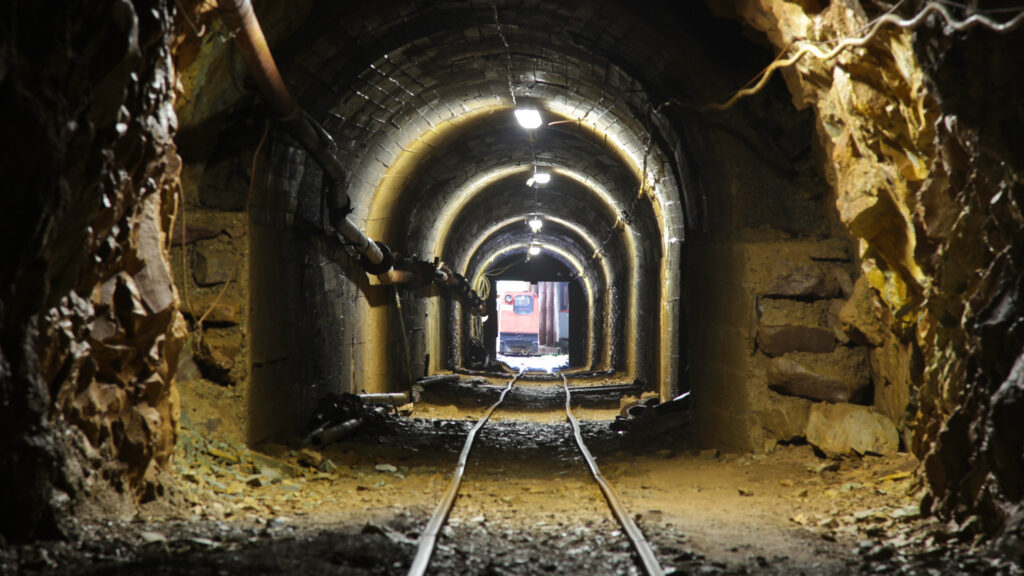
Coal mining has shaped large parts of the UK for more than two centuries. While many mines closed decades ago, the legacy of historic underground workings continues to present a material risk to property, particularly through ground movement and subsidence.
The Selby Coalfield is widely cited as one of the UK’s most significant examples of mining-related subsidence, with widespread impacts on homes, infrastructure and land during its operational life.
During the 1990s and early 2000s, while the coalfield was active and in the period following extraction, ground movement associated with deep longwall mining led to subsidence effects across the area. These included impacts on residential properties, roads, drainage systems and agricultural land.
Although mining activity at Selby has now ceased, the case remains highly relevant today.
It clearly shows that:
Why coal mining risk still matters in conveyancing
Coal-related subsidence remains one of the most significant ground risks affecting UK property. If not properly identified during due diligence, the consequences can include structural damage to buildings, loss of property value, complications with lending or insurance, as well as potential liability for costly investigation or remediation.
Even historic coal workings can continue to influence ground behaviour many years after mining has ended.
A regulated coal mining search helps conveyancers and buyers understand:
This supports informed decision-making and reduces the risk of unexpected issues emerging after completion.
The PinPoint approach
At PinPoint Information, our coal mining searches are designed to support clear, defensible due diligence. Built on robust data and expert interpretation from mining experts, they focus on what matters in a property context and explain risk in plain English; helping professionals avoid surprises and keep transactions moving.
As far as we are concerned, understanding coal mining risk isn’t about creating alarm but about helping people to make better decisions, earlier.